Projekt: Speak-Up-4-Democracy!
Speak Up! Empowering Citizens to Uphold EU Democratic Values, Strengthen Freedom of Speech, and Actively Participate in Society ehk lühidalt Speak-Up-4-Democracy! (01.02.2026 – 31.12.2027) on rahvusvaheline kodanikuhariduse projekt (koordinaator Eesti, Avatud Meele Instituut partnerid Leedu, Ugdymo Meistrai ja Holland, HALT), mille eesmärk on tugevdada Euroopa Liidu siseselt demokraatlikke väärtusi, sõnavabadust ja aktiivset kodanikupositsiooni noorte seas. Projekt keskendub eelkõige noortele ja õpetajatele – võtmeisikutele, kellel on oluline roll noorte demokraatlike hoiakute, osalusoskuste ja ühiskondliku vastutuse kujundamisel.
Projekt viiakse ellu Euroopa Liidu CERV-programmi (Citizens, Equality, Rights and Values) raames.
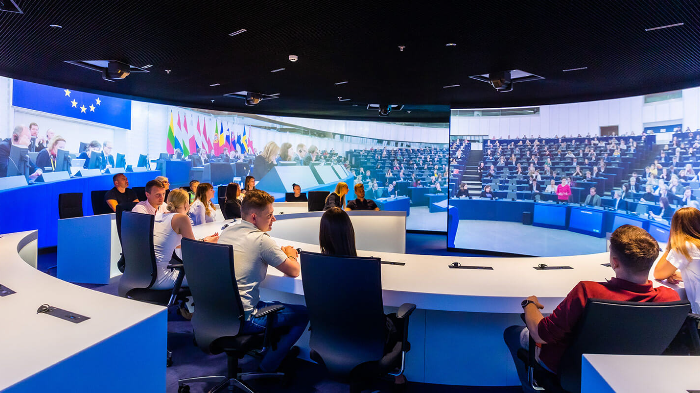
Projektist lähemalt
Projekt “Speak Up! Empowering Citizens to Uphold EU Democratic Values, Strengthen Freedom of Speech, and Actively Participate in Society” lähtub Euroopa Liidu põhiväärtustest: demokraatiast, õigusriigist, inimväärikusest, võrdsusest, solidaarsusest, sõnavabadusest ja aktiivsest kodanikuks olemisest.
Kahe aasta jooksul annab projekt rahvusvahelises koostöös gümnaasiumi- ja põhikooli vanema astme õpetajatele teadmised, oskused ja praktilised tööriistad, et lõimida need väärtused igapäevasesse õpetamisse ning innustada noori kasutama oma õigusi ja võtma vastutust ühiskonnaelus osalemisel.
Projekti esimeses etapis viiakse läbi põhjalik vajaduste kaardistus, mille käigus analüüsitakse olemasolevaid kodanikuhariduse praktikaid, tuvastatakse lüngad ning kogutakse sisendit nii õpetajatelt kui ka õpilastelt. Saadud tulemuste põhjal töötatakse koos partneritega välja modulaarne õppekava, mis käsitleb Euroopa Liidu institutsioone, demokraatia toimimist, kodanikuõigusi, mitmekesisust ja kaasatust ning mida rikastavad interaktiivsed juhtumiuuringud ja klassiarutelud.
Seejärel luuakse praktiliste meetodite tööriistakogumik, mis hõlmab simulatsioone õigluse ja õigusriigi põhimõtete mõistmiseks, eakaaslastevahelisi dialoogitöötubasid empaatia ja vastastikuse lugupidamise arendamiseks ning kogukonnapõhiseid tegevusi solidaarsuse tugevdamiseks.
Pilootfaasis osalevad õpetajad ja õpilased kaaskujundajatena, kelle struktureeritud tagasiside aitab arendada nii sisu kui ka metoodikat ning tagab kaasava lähenemise. Paralleelselt viiakse läbi kombineeritud õpetajate koolitusprogramm, mis hõlmab veebipõhiseid õpimooduleid, kontaktkoolitusi ja koolitajate koolitust.
Õpetajatele luuakse mentorlusraamistik ja rahvusvaheline veebikogukond, mis toetab kogemuste jagamist ja jätkusuutlikku koostööd ka pärast projekti lõppu.
Varustades õpetajaid demokraatliku koolikultuuri eestvedajatena ja kaasates noori aktiivsete kaaskujundajatena, aitab projekt tugevdada Euroopa väärtusi, sõnavabadust ja proaktiivset kodanikutegevust eriilmelistes koolikogukondades.
Projekt süvendab osalejate arusaama inimväärikusest, kollektiivsest vastutusest ja väljendusvabaduse tähendusest ning kasutab süstemaatilist seiret ja hindamist, et võrrelda osalejate teadmisi, hoiakuid ja oskusi enne ja pärast tegevusi ning toetada pidevat kvaliteediarendust.
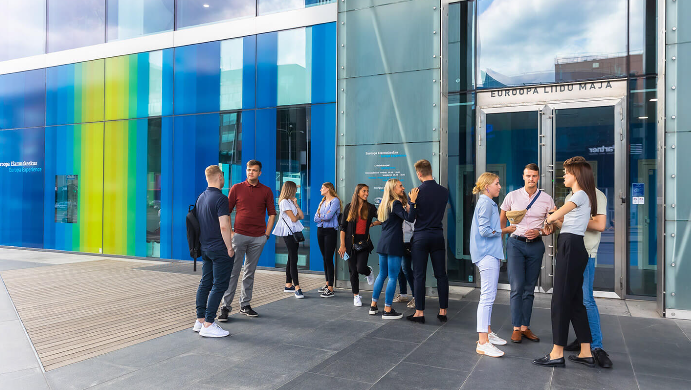
Millele projekt keskendub?
Demokraatlik kaasatus ja kodanikuosalus
Euroopa Liidu väärtused (inimväärikus, vabadus, demokraatia, võrdsus, õigusriik, inimõigused) ja institutsioonid
Sõnavabadus ja vastutustundlik eneseväljendus
Õigusriik ja õiglus
Inimväärikus, võrdsus ja solidaarsus
Mitmekesisus ja kaasav koolikultuur
Õpetajate võimestamine ja praktiline metoodika
Noorte aktiivne roll kaaskujundajatena
Koostöö, mentorlus ja rahvusvaheline võrgustik
Taastav õigus ja taastavad praktikad
Mis on CERV-programm?
CERV-programm toetab ja arendab avatud, õigustel põhinevaid, demokraatlikke, võrdseid ja kaasavaid ühiskondi, mis tuginevad õigusriigi põhimõtetele. Programmi keskmes on tugev ja võimestatud kodanikuühiskond, inimeste demokraatliku, kodaniku- ja ühiskondliku osaluse edendamine ning Euroopa ühiskonna mitmekesisuse väärtustamine, lähtudes meie ühistest väärtustest, ajaloost ja mälust.
Speak-Up-4-Democracy! on loodud CERV-programmi samba „Kodanike kaasamine ja osalus“ raames, mille eesmärk on edendada kodanike osalemist Euroopa Liidu demokraatlikus elus, toetada liikmesriikidevahelist koostööd ja kogemuste vahetust ning suurendada teadlikkust ühisest Euroopa ajaloost ja väärtustest.
Märksõnad
Demokraatlik kaasatus ja kodanikuosalus; demokraatia; õigusriik; inimväärikus; võrdsus; solidaarsus; sõnavabadus; kodakondsus; õpetajakoolitus; praktilised simulatsioonid; tagasiside kogumine; mentorlus; kogukond; võrgustik
IN ENGLISH:
The project “Speak Up! Empowering Citizens to Uphold EU Democratic Values, Strengthen Freedom of Speech, and Actively Participate in Society” is rooted in the fundamental European values of democracy, the rule of law, human dignity, equality, solidarity, freedom of expression and active citizenship. Over a two-year period, the project empowers secondary-school educators across Europe to embed these values into their teaching practice and to inspire students to embrace both their rights and responsibilities as active members of society. In the first phase, project partners carry out a comprehensive needs assessment by mapping existing citizenship education practices, identifying gaps, and gathering insights from teachers and students. Based on these findings, a modular curriculum is co-designed, covering EU institutions, democratic principles, civil rights, diversity and inclusion, and enriched with interactive case studies and classroom debates. The project then develops a toolkit of practical methods, including simulations to demonstrate fairness and the rule of law, peer dialogue workshops to foster empathy and mutual respect, and community-based activities aimed at strengthening solidarity. During the pilot phase, teachers and students participate as co-creators, providing structured feedback that is used to refine both the content and delivery of the programme, ensuring inclusive participation. At the same time, a blended teacher training programme—combining online modules, in-person workshops and a training-of-trainers approach—strengthens educators’ capacities, while a mentorship framework and an online community support peer learning and long-term collaboration. By equipping teachers as catalysts of democratic school culture and engaging young people as active co-creators, the project contributes to strengthening European values, freedom of expression and proactive citizenship in diverse school communities. The project also deepens participants’ appreciation of human dignity, collective responsibility and freedom of expression. Rigorous monitoring and evaluation processes compare participants’ knowledge, attitudes and skills before and after the activities, guiding continuous improvement throughout the project.
Keywords:
– Democratic engagement and civic participation
– democracy, rule of law, human dignity, equality, solidarity, freedom of expression, active citizenship, teacher
training, practical simulations, feedback collection, mentorship, community, network